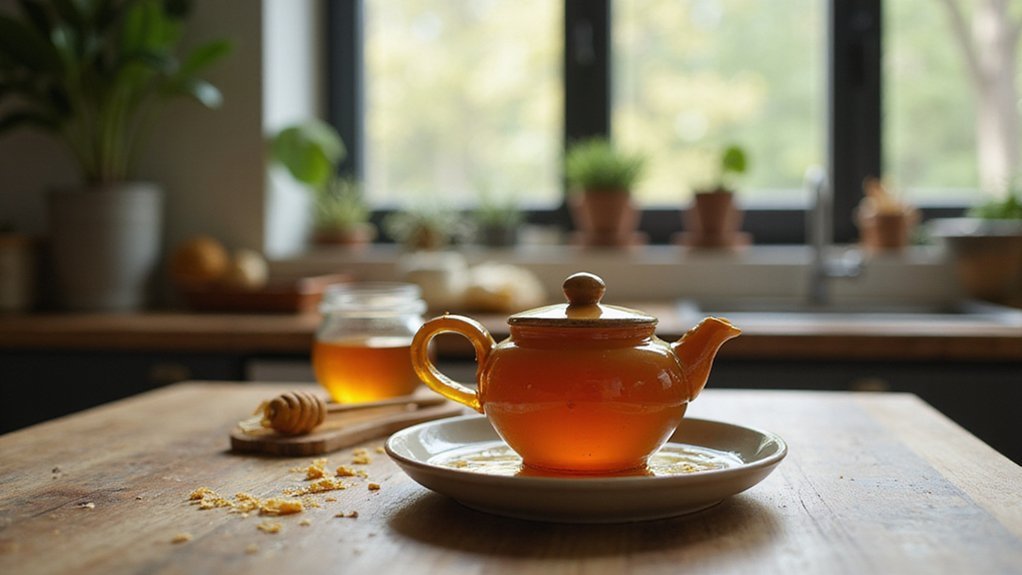
Are you wondering whether a honey dipper or a spoon works best for serving honey? The right choice can make a difference in how neat and elegant your honey experience feels. Honey dippers provide precise drizzling with less mess, while spoons are straightforward and versatile.
Keep reading to find out which tool suits your needs and how to use it effectively.
What Are the Main Differences Between Honey Dippers and Spoons?
Honey dippers and spoons differ mainly in design and function. A honey dipper features a long handle with deep concentric grooves that trap honey, making it ideal for drizzling and adding visual appeal. Its grooved shaft helps prevent accidental drips, keeping serving areas neat. Honey dippers produce a steady, controlled drizzle, perfect for enhancing both flavor and presentation. Understanding the grain milling process can also highlight the importance of precise tools in related food preparations. A well-designed kitchen utensil ensures efficiency and reduces mess during food handling. Spoons, by contrast, typically have a shallow bowl designed for scooping and measuring liquids. They offer more control over the amount of liquid picked up but do not facilitate a precise flow like a honey dipper. Spoons are versatile for both viscous and thin liquids, but they lack the aesthetic impact during serving. Overall, honey dippers are tailored for visual presentation and specific honey handling, while spoons are more adaptable for various liquids and measurements.
How Do Design and Material Affect Performance?
Design and material choices significantly impact how honey is transferred and controlled during serving. Material properties like thermal conductivity affect temperature behavior; for example, wood’s low thermal transfer helps prevent crystallization and preserves honey’s smooth texture. Metal, on the other hand, conducts heat more efficiently, increasing the risk of crystallization and thickening honey. Surface engineering also plays a crucial role. Grooved and unfinished surfaces enhance capillary action, allowing honey to cling and flow slowly, which reduces mess and drips. Smooth, polished surfaces, however, make honey slide off quickly, leading to more spills. Additionally, surface texture influences how well honey adheres to the utensil, further impacting transfer efficiency. Finish treatments further influence performance. Glossy coatings can inhibit honey’s grip, causing it to slide more readily. The shape and surface techniques used in design also determine retention volume and release rate. Larger surface areas tend to hold more honey but may release it more slowly. Understanding how surface properties interact with honey’s viscosity can further help in choosing the right utensil. Furthermore, selecting materials with optimal thermal and surface characteristics can improve user comfort and efficiency in serving honey. Overall, selecting materials with specific surface textures and shapes can optimize honey transfer, reducing waste and controlling flow during serving.
When Should You Use a Honey Dipper?
A honey dipper is best used for controlled drizzling to achieve a neat, even distribution over foods or beverages. Its grooved head holds honey by surface tension, which allows you to apply precise amounts without making a sticky mess. This method helps prevent excess honey from dripping, which can be especially useful for maintaining cleanliness during serving. The long handle keeps your hands away from sticky residues, helping to prevent messes and making cleanup easier. When working with thick honey or small servings, a dipper helps you manage quantities more accurately, ensuring a consistent, attractive drizzle every time. Overall, it supports elegant presentation and minimizes spill risk, making it an essential tool for serving honey beautifully and efficiently. Using a honey dipper also offers better control over portions, which can enhance the overall appearance of your dishes. Controlling the amount of honey applied is also important for nutritional considerations, especially when serving those conscious of sugar intake. Proper dipping technique ensures you get the right amount of honey on each dip, maximizing control and cleanliness.
What Are the Pros and Cons of Using a Spoon?
Using a spoon to serve honey has both benefits and drawbacks. Its simple and familiar design makes it a convenient choice for quick access, and stainless steel spoons are durable, resisting rust and wear over time, which enhances practicality. However, regular spoons tend to drip more due to honey’s high viscosity, leading to messes and sticky trails. They also offer less control and precision compared to honey dippers, making it harder to dispense honey neatly or accurately. While stainless steel spoons are easy to clean and suitable for everyday use, prolonged contact with metal can raise concerns about potential quality issues over time. Additionally, safe canning methods should be followed when preserving foods like green beans, as improper techniques can pose health risks. Proper honey dispensing tools can help minimize mess and improve precision. Being aware of handling precautions can also prevent sticky spills and preserve the quality of your honey. Overall, spoons are convenient but may not be ideal if minimizing mess or achieving a refined presentation is your priority.
How to Choose the Right Honey Utensil for Your Needs
The best honey utensil for your needs depends on the honey’s consistency and your serving preference. For preserving delicate flavors, use a dipper or narrow spoon. These tools allow precise control, reducing drips and mess while minimizing agitation that could alter the honey’s aroma. Thick or crystallized honey benefits from a dipper with deeper grooves, which help scoop and serve without clumping or sticking. If you prefer runny honey, a simple spoon or squeeze dispenser works well, offering easy pouring without clogging the utensil. Additionally, choosing appropriate utensils based on honey texture can enhance the overall experience. Consider the size of your jar and the honey’s texture when choosing a utensil. Larger jars may require tools with bigger reservoirs to avoid frequent dips, while smaller jars suit more delicate spoons or sticks. Proper storage honey preservation methods can also make a difference in maintaining freshness and flavor over time. For aesthetics, select utensils with smooth finishes and ergonomic handles, enhancing presentation without sacrificing functionality. Opting for the right honey utensil not only ensures a cleaner, more attractive serving but also helps maintain the honey’s flavor profile by reducing unnecessary agitation.
Tips for Cleaning and Maintaining Your Honey Dippers and Spoons
To keep your honey dippers and spoons in optimal condition, it’s essential to clean and maintain them properly. Rinse your tools immediately after each use with warm running water to prevent honey from hardening in crevices or on surfaces. Use a gentle dish soap and a soft brush—especially for wooden or grooved utensils—to do routine cleaning. Avoid abrasive cleaners that can damage the material. To prevent mold or lingering odors, dry your honey tools thoroughly in a well-ventilated area. Never store damp wooden dippers, as moisture can cause cracking or warping over time. For stubborn residue, soak the utensils in warm soapy water or apply vinegar for a deep clean, then rinse them well. Storing your honey dippers and spoons in shaded, dry places away from direct sunlight and heat will help extend their lifespan. Proper care will ensure they remain easy to use and in good condition for years to come. Regularly inspecting your tools for damage and understanding material durability can also help prevent costly replacements.
Which Is Better for You: Honey Dipper or Spoon?
A honey dipper is better for you if you want precise control over the amount and flow of honey. Its grooved design minimizes mess and allows for drizzling directly onto food or into drinks with accuracy. Dippers also add an aesthetic touch, making them ideal for serving honey at gatherings or on table settings. Traditionally, honey dippers are valued for their craftsmanship and ritual significance, emphasizing presentation and elegance. For those who appreciate specialized kitchen tools, a honey dipper offers both function and style to your honey-serving experience. Additionally, honey dippers are often crafted from materials like wood or ceramic that can enhance the honey serving experience, making them popular among homesteaders who value natural materials.
On the other hand, a spoon is more practical if you prioritize quick, straightforward transfer and measuring. Spoons are versatile, easy to use, and compatible with various recipes that demand specific amounts of honey. However, they tend to cause more drips and spills and may lead to uneven portions. Despite this, spoons are convenient for everyday use, especially when ease and speed outweigh visual appeal. For many users, measuring accuracy is a key factor in choosing a utensil like a spoon over a honey dipper. Your choice depends on whether you prefer a decorative, controlled pouring experience or functional efficiency for regular consumption.