Wondering how long your food stays fresh when vacuum sealed? Proper sealing can significantly extend shelf life by slowing bacteria growth, preventing oxidation, and avoiding freezer burn.
For example, meats can last 1 to 3 years in the freezer, while dry goods stay good for 2 to 5 years.
Keep reading to learn the best practices for maximizing your food’s safety and freshness.
How Does Vacuum Sealing Extend Food Shelf Life?
Vacuum sealing prolongs food freshness by removing oxygen from the packaging and creating an airtight seal. This process inhibits the growth of bacteria and mold that cause spoilage. Reduced oxygen levels also slow down oxidation, which can deteriorate flavors, textures, and colors. As a result, fats and proteins resist becoming rancid, and the overall appearance of foods remains appealing. Vacuum sealing can extend the shelf life by three to five times compared to traditional storage methods. It is especially effective for freezing, as it prevents freezer burn and can preserve foods for several years. Whether stored in the fridge, freezer, or pantry, vacuum sealing helps maintain food quality by controlling exposure to oxygen and moisture, keeping flavors and textures intact longer. Properly using a vacuum sealer can also help in maintaining the sterility of the packaging environment, contributing to longer shelf life. Additionally, understanding the resealing process for damaged or compromised bags can further optimize preservation. Knowing the importance of oxygen removal highlights how crucial vacuum sealing is for effective food preservation.
What Are the Best Practices for Vacuum-Sealing Refrigerated Foods?
To ensure your refrigerated foods stay fresh and safe, follow these best practices for vacuum-sealing. Start with fresh, high-quality foods because vacuum sealing cannot reverse spoilage or fix defects. Wash produce thoroughly, then dry it completely to prevent moisture from compromising the seal. Trim excess fat, skin, or bones to reduce punctures and seal failures. Portion foods into meal-sized servings to simplify handling and storage.
For delicate items like berries or fish, pre-freeze them until firm before vacuum sealing. This prevents crushing and spills during the sealing process. Use clean, flat vacuum bags or rolls, leaving 3 to 4 inches of headspace at the open end for an effective seal. Opt for thick, high-quality bags designed to withstand freezer conditions and prevent leaks. Properly maintaining vacuum seals can prevent freezer burn and extend the shelf life of your foods.
When sealing, use the pulse or gentle mode for fragile or soft foods to avoid crushing. Double seal bags when necessary, particularly for liquids or very delicate items, to ensure an extra secure closure. Properly sealing and storing foods in the refrigerator will maintain their quality and significantly extend their shelf life.
How Long Do Vacuum-Sealed Meats and Seafood Last in the Freezer?
Vacuum-sealed meats and seafood can last between 1 to 3 years in the freezer when stored at 0°F (-18°C), depending on the type. Whole cuts of beef, pork, and lamb typically retain quality for this period if properly sealed and kept at consistent freezing temperatures. Seafood, especially lean varieties like cod or shrimp, maintain optimal flavor for about 6 to 12 months. Fatty fish such as salmon or mackerel tend to lose quality faster due to fat oxidation. Poultry benefits from vacuum sealing as well, lasting up to 2 years in the freezer. The airtight packaging minimizes oxidation and freezer burn, helping maintain the meat’s flavor and texture over extended periods. Proper sealing techniques and consistent freezer temperatures are essential to maximize these storage durations and keep your meats and seafood fresh and safe. Additionally, freezer storage guidelines can offer more detailed tips for preserving food quality over time. Understanding the effects of freezer burn can further help in maintaining optimal food quality during long-term storage.
How Does Vacuum Sealing Keep Dry Goods Fresh for Longer?
Vacuum sealing keeps dry goods fresh for years by removing air, which slows spoilage and prevents microbial growth. High-quality, food-grade bags with strong seals are essential to create a reliable vacuum environment. By reducing oxygen exposure, vacuum sealing minimizes rancidity and microbial activity that can spoil low-moisture, low-fat foods like rice, beans, spices, and dried fruit. Proper sealing conditions, such as storing in a cool, dark, dry place, can extend shelf life even further. While it does not completely prevent spoilage, vacuum sealing can significantly preserve the quality and freshness of dry goods over prolonged periods, often up to 2 to 5 years when stored correctly. Dehydrating apples is a prime example of how removing moisture can further extend the shelf life of dried foods.
How Can Vacuum Sealing Preserve Produce and Vegetables?
Vacuum sealing can preserve produce and vegetables for months by significantly slowing spoilage processes. It works by removing oxygen from the packaging, which reduces oxidation, mold growth, and microbial activity. This creates an environment that keeps produce fresh longer than traditional storage methods. Using high-quality vacuum seal bags or containers ensures an airtight environment that prevents freezer burn and moisture loss. Properly sealing produce also inhibits the growth of bacteria and mold, helping to maintain quality and flavor. For delicate vegetables like leafy greens or berries, pre-freezing before sealing prevents crushing inside the bag. Preparation is key for optimal preservation. Washing and thoroughly drying produce remove surface contaminants and excess moisture. Blanching—briefly boiling vegetables followed by rapid cooling—destroys enzymes that cause spoilage and helps retain color, texture, and nutrients. Pre-freezing soft or fragile items reduces crushing during sealing. Additionally, understanding the importance of oxygen removal is essential since it is the key factor in extending the shelf life. Adequate sterilization and sanitation of jars and sealing equipment also ensure that no unwanted bacteria or spores contaminate the preserved food. Vacuum sealing can extend produce and vegetable shelf life from a few days to several months or even years. Hard vegetables like carrots and green beans typically benefit most, maintaining their texture, flavor, and nutritional value much longer. When combined with proper packaging techniques and storage conditions, vacuum sealing is a powerful method to maximize produce freshness.
How Long Do Vacuum-Sealed Cheese and Leftovers Stay Safe?
Vacuum-sealed cheese and leftovers generally stay safe for about 1 to 2 weeks when kept refrigerated, but this varies based on several factors. Hard cheeses like cheddar can last 6 to 8 weeks if vacuum-sealed and refrigerated properly, while soft cheeses such as brie typically remain safe for 2 to 3 weeks. The type of cheese impacts how long it stays good; harder cheeses have lower moisture content and are more resistant to spoilage. Leftovers with high water content or moisture, such as cooked vegetables or seafood, tend to spoil faster and usually last closer to the 1-week mark.
Storage temperature must remain consistently cold, ideally just above freezing, to slow bacterial growth. Although vacuum sealing limits oxygen exposure and reduces spoilage, it does not eliminate bacteria, so always check for signs of spoilage. Look for mold, off odors, or slimy textures before consuming leftovers or cheese. Proper sealing and refrigeration can extend safety, but monitoring these signs remains essential to avoid foodborne illnesses.
What Factors Affect the Duration of Vacuum-Sealed Foods?
Several key factors determine how long vacuum-sealed foods stay fresh and safe. Storage temperature is crucial; maintaining a consistent, low temperature slows microbial growth and enzymatic activity, effectively extending shelf life. Typically, refrigeration can preserve vacuum-sealed perishable items for several weeks to a few months, while freezing can extend this period to several months or even years, depending on the food type.
The quality of the packaging itself also plays a significant role. Using durable, high-quality, impermeable films prevents oxygen and moisture from passing through, thus reducing spoilage. Seal integrity is equally important—any leaks or weak seals allow oxygen to re-enter, encouraging microbial activity and faster deterioration. Regularly inspecting seals and choosing proper materials ensures the food remains protected over time.
Food type and initial condition impact how long vacuum-sealed foods last. Moisture-rich foods support microbial growth and tend to spoil faster, often within weeks, whereas dry goods can last much longer, sometimes years. Freshness before sealing influences duration too—food that is already nearing spoilage will not last as long, regardless of packaging. Proper handling during preparation helps maximize shelf life once vacuum sealed.
Additionally, maintaining proper storage conditions is essential—factors like humidity and exposure to light can accelerate degradation even if packaging is intact. Keeping vacuum-sealed items stored in a cool, dark, dry place further slows deterioration and helps preserve quality for the maximum possible duration. Employing appropriate oxygen absorbers can also significantly prolong the freshness of the food by removing residual oxygen from the packaging environment. It is also beneficial to monitor packaging integrity regularly, as even small damages can compromise food safety.
How to Maximize Freshness and Safety When Using a Vacuum Sealer
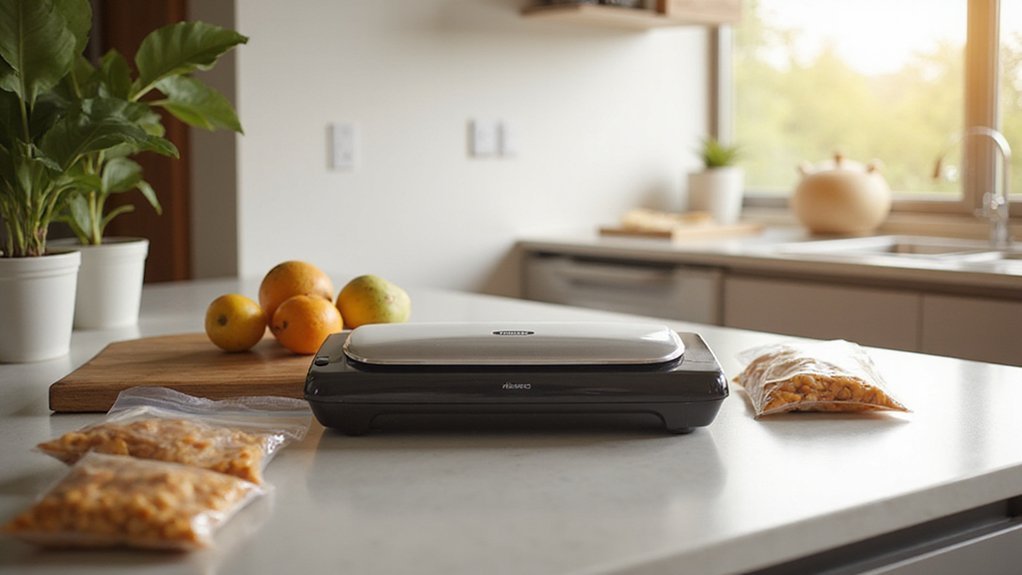
To maximize freshness and safety when using a vacuum sealer, proper food preparation and handling are essential. Always ensure chilled foods are at or below 41°F (5°C) before sealing to inhibit bacterial growth. Fully cooked items should cool rapidly to 70°F within two hours to prevent spoilage. When packaging, keep the sealing edge clean and dry to ensure a secure and reliable seal; moisture or debris can cause leaks. Pat dry meats and freeze moist foods or liquids beforehand to avoid seal failure. Use a high-quality sealing machine with the correct settings, and apply double seals for foods that are wet or heavy. Leave enough headspace in bags to allow for a proper seal, and let sealed packages cool completely before handling to avoid accidental opening or damage. Proper freezing techniques are also crucial to prevent jar breakage when freezing canning jars, especially if they are not designed for freezer use. Proper food storage practices can help maintain the quality and safety of your preserved foods over time. Always inspect seals for leaks, label packages with date information, and store foods in appropriate conditions—refrigerator, freezer, or pantry—to extend shelf life and maintain safety. Understanding the impact of vacuum sealing techniques on food preservation can further enhance your results.
Common Mistakes to Avoid When Vacuum-Sealing Food
To avoid common sealing problems, ensure the seal line is clean, debris-free, and dry before sealing. Run your finger along the edge after sealing to check for bumps, gaps, or weak spots, which indicate an imperfect seal. Use the appropriate vacuum bag; textured or specially compatible bags help prevent leaks, while standard bags may not provide an airtight seal. When packing, leave 2 to 4 inches of headspace and avoid overpacking, as excess material can hinder a strong seal. Remove any excess moisture from foods and never seal hot, wet, or high-moisture items, since this can cause weak seals and potential spoilage. Be cautious with sharp edges or fragile items that could puncture the bag, and follow product-specific recommendations for best results. Proper bag filling and seal quality are essential for long-term food preservation; understanding how canning jars function can provide additional insight into effective sealing techniques. Additionally, the type of vacuum sealer you use can influence the overall effectiveness of the seal. When you understand how vacuum sealing works and the importance of effective seals, you can better prevent spoilage and enhance food longevity. Always double-check your seals for integrity to prevent spoilage over time. Proper preparation and attention to detail will ensure a secure, long-lasting vacuum seal.
When Should You Freeze, Refrigerate, or Eat Vacuum-Sealed Foods?
Vacuum-sealed foods should be refrigerated immediately if they are perishable. Keep the refrigerator at or below 40°F (4°C) to prevent bacterial growth, and consume refrigerated vacuum-sealed items within 7 to 14 days, depending on the type of food. Raw meats, fish, and poultry require prompt refrigeration and should never be left at room temperature. For longer storage, freezing is the best option once the refrigerated window has passed. Most whole cuts of meat can be frozen for 6 months to 3 years, while ground meats and seafood generally have shorter frozen lifespans. Always prioritize eating high-risk foods like raw fish and cooked leftovers sooner to ensure maximum safety and quality. Matching your storage method to the food type helps prevent spoilage and keeps your food safe to eat. Understanding how different foods last can help you better plan your storage and consumption.