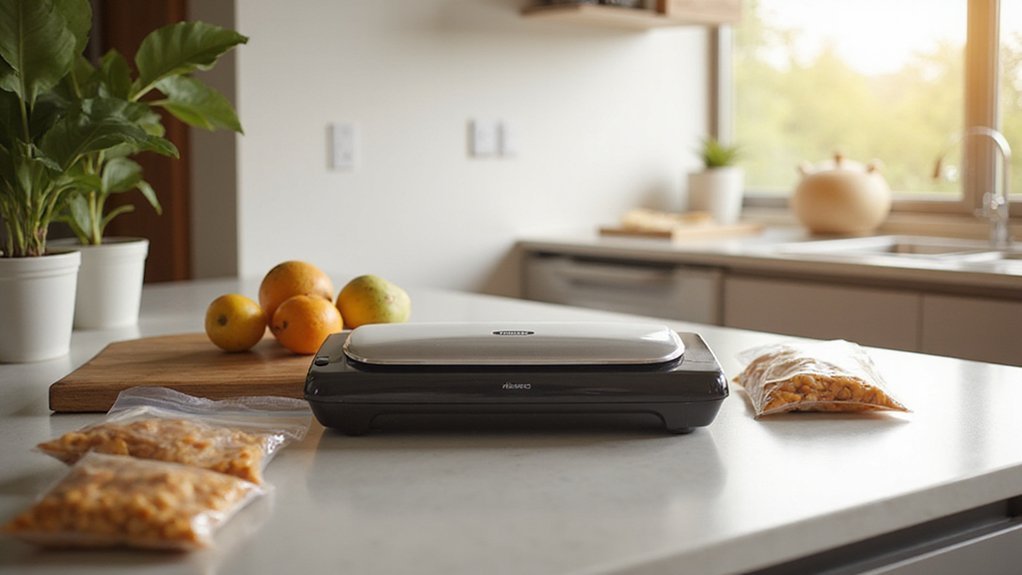
Getting the most out of vacuum sealer bags can seem tricky at first, but once you know the basics, it becomes a simple way to extend your food’s freshness. The key is choosing the right size, ensuring a proper seal, and avoiding common mistakes that can ruin your efforts.
With a few easy steps, you’ll be sealing like a pro and keeping food fresh longer. The rest of this guide breaks down everything you need to know.
Why Proper Bag Preparation Boosts Your Vacuum Sealing Results
Proper bag preparation is crucial because it directly affects the quality of your vacuum seal. Using bags with clean, dry edges ensures a strong, airtight seal, while any debris or moisture can compromise the process. Before sealing, wipe the top edge of the bag with a dry cloth to remove oil or moisture that might prevent a proper seal. Leaving enough headspace—about one to two inches above the food—avoids interference during sealing and allows efficient air removal. For foods with liquids or delicate textures, pre-freezing them first helps maintain their shape and minimizes messes during sealing. Additionally, avoid puncturing the bag with sharp objects or overfilling, which can cause leaks. Properly prepared bags reduce the risk of punctures and residual oxygen, helping your food stay fresher longer. Also, being mindful of the sanitization methods for bags can prevent bacterial contamination and extend your food’s shelf life. Ensuring your bags are properly stored can further protect against tears and punctures when not in use. Taking these precautions helps maintain the integrity of the vacuum sealing process and preserves your food quality.
Getting Your Bags Ready for Sealing
Before sealing your bags, it is crucial to prepare them properly to ensure a strong, airtight seal. Choose a bag size that allows for 2 to 3 inches of headspace for most foods, or 3 to 4 inches if you want better air removal and sealing reliability. Make sure the open edge is straight, flat, and free of wrinkles, folds, or debris, as uneven openings can interfere with a clean seal. Keep the bag’s rim dry and free of crumbs or moisture; any contamination can cause leaks. When removing excess air, do so carefully without overfilling the bag, which reduces stress on the seal and increases its effectiveness. Pre-folding the top helps create a cleaner zone for sealing. Lastly, position the open end of the bag so it is centered and unobstructed, ensuring it is ready for a secure, airtight closure. Using a vacuum sealer machine can further enhance the airtightness of your seal. Ensuring your bags are free of moisture and debris is especially important to avoid seal failure and maintain freshness.
How to Properly Load and Seal Items for Freshness
To ensure a secure and airtight seal, load items flat and centered within the bag. Place your food in a single, even layer to facilitate effective air removal and reduce trapped pockets, which can cause leaks. Keep the open edge of the bag clear of crumbs, liquids, or debris before sealing. Leave at least 2 to 4 inches of empty space above the food item to allow for a strong and reliable seal. Use the appropriate bag material that is sturdy, puncture-resistant, and suitable for vacuum sealing. Avoid overfilling the bag, especially with liquids, and allow hot foods to cool completely before sealing to prevent steam buildup that can compromise the seal. Focusing on proper loading techniques, suitable materials, and thorough sealing practices helps maintain maximum freshness and prevents leaks. Additionally, choosing the right vacuum sealing bags can significantly impact the durability and effectiveness of your seal. Properly understanding bag compatibility and the materials used can also help avoid damage or ineffective seals over time. Being aware of container materials and how they respond to vacuum sealing can further improve sealing reliability and food preservation.
Troubleshooting Common Vacuum Sealing Problems
If your vacuum sealer isn’t working properly, the first thing to check is whether the bag type matches your machine. Incompatible bags can prevent proper vacuuming and lead to inconsistent seals. Inspect the gasket, lid seal, hoses, and fittings for cracks, debris, or signs of wear, as these issues can cause suction leaks. Make sure the bag opening is flat, centered, and wrinkle-free across the seal bar to avoid air channels. Confirm the bag isn’t overfilled and has enough headspace at the top for air removal. For weak or incomplete vacuum, perform air-bubble or seal-only tests to pinpoint the problem. If the seal is weak or inconsistent, clean the sealing area thoroughly, increase the sealing time, and verify that the bag makes full contact with the seal bar. Ensuring the right bag compatibility and proper sealing technique is essential for effective vacuum sealing.
Maintaining and Cleaning Your Vacuum Sealer for Best Performance
Regular maintenance and thorough cleaning are essential for optimal vacuum sealer performance. Begin by unplugging the unit and carefully removing parts like gaskets and drip trays, following the manufacturer’s instructions. Keep water away from the vacuum chamber and electrical components by avoiding immersion or direct spraying. Wipe the exterior with a damp cloth and clean the chamber, sealing mechanisms, and seal groove using warm, soapy water or a mild detergent. Use a soft brush or cloth to dislodge food debris that can obstruct sealing. For a deeper clean, soak parts in a solution of white vinegar and water to help dissolve grease and residue. Reach into tight spots with cotton swabs for thorough cleaning. Regularly inspect gaskets, washing and wiping them to prevent grease buildup that could impair sealing quality. Check the sealing bar for signs of wear and replace it if necessary. Additionally, clean the vacuum pump filter to maintain proper airflow. Proper maintenance also includes understanding the importance of vacuum sealing in your preservation process, as it directly impacts sealing efficiency. To ensure consistent sealing performance, it’s also important to be aware of the significance of fermentation weights in your preservation process. Ensure all parts are completely dry before reassembling and storing the machine. Leave the lid slightly open during storage to prevent moisture buildup, which can cause mold or corrosion. Proper maintenance extends the lifespan of your vacuum sealer and keeps it functioning reliably.