Trying to preserve tomatoes safely can seem overwhelming, but with the right steps, you can enjoy homemade canned tomatoes all year.
Knowing how to properly prepare and process them ensures they stay fresh and safe to eat.
By the end of this, you’ll understand the essential techniques for canning tomatoes in a pressure canner, from prepping the fruit to ensuring a proper seal.
Keep reading for straightforward, reliable methods to get you started.
What You Need to Know About Pressure Canning Tomatoes
Because tomatoes have naturally low acidity, adding acid is essential for safe pressure canning. You should incorporate 2 tablespoons of bottled lemon juice per quart or 1 tablespoon per pint, or use ½ teaspoon of citric acid per quart as an alternative. Proper acid adjustment prevents the growth of harmful bacteria like Clostridium botulinum. Maintaining correct temperature and pressure in your canner is crucial—regulate the pressure to stay steady during processing. Typically, processing whole or sliced tomatoes takes about 25 minutes, but ensuring the gauge reaches and remains at the correct pressure level is vital. These steps—precise acid addition and steady pressure control—are fundamental to preserving tomatoes safely. Sanitizing jars is also essential to prevent contamination and ensure long-lasting results in your home canning.
Prepare Your Tomatoes for Canning
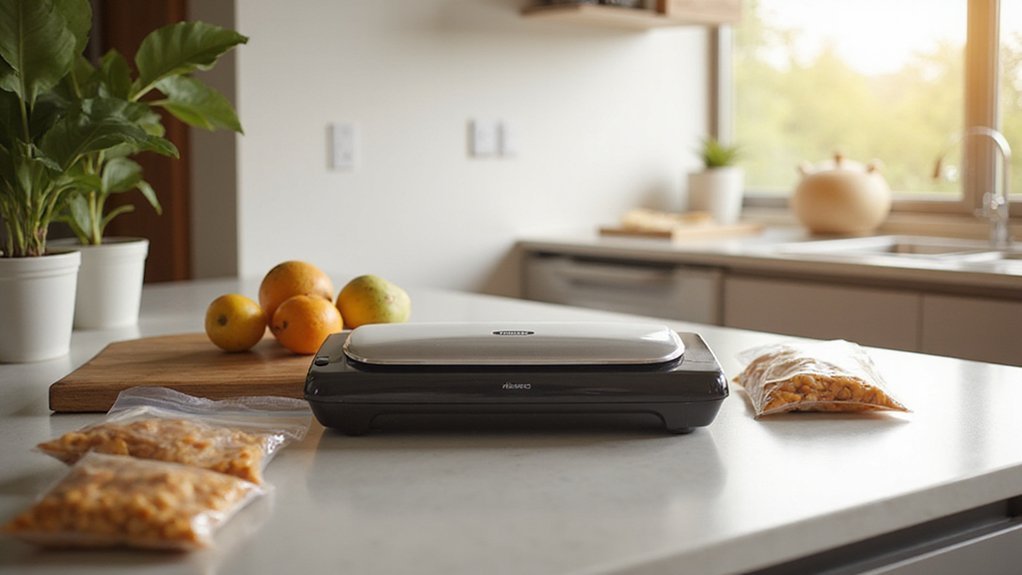
To prepare your tomatoes for canning, start by selecting firm, ripe tomatoes. These provide the best texture and ensure safety during processing. Avoid overripe or damaged tomatoes, as they can spoil in the jars. Thoroughly wash the tomatoes in cool, running water to remove dirt and debris, helping to keep your jars clean. To remove the skins easily, dip the tomatoes in boiling water for 30 to 60 seconds until the skins loosen. Immediately transfer them to ice water to halt the cooking process and slip off the skins effortlessly. After peeling, core the tomatoes and trim away blemishes or damaged spots. Depending on your recipe, you can preheat the tomatoes to around 180°F or prepare them raw at 140°F. Proper preparation ensures even packing and safe, high-quality jars. Following strict sanitation practices helps prevent bacterial growth and preserves the quality of your canned tomatoes. Additionally, understanding the differences between pressure canning and water bath canning can help you choose the best method for your tomatoes. To further ensure safety, proper jar sterilization is crucial before filling with food. Using a vacuum sealer such as the Chef Preserve Vacuum Sealer can also help in preserving tomato products by removing air and sealing in freshness before processing.
Fill and Seal Your Canning Jars Correctly
Filling your canning jars correctly involves leaving the proper headspace, typically around ½ inch unless the recipe states otherwise. This space allows for the expansion of contents during processing and ensures a proper vacuum seal afterward. Use jars designed for home canning, making sure they are heat-safe and free of cracks or chips. When filling, keep the jars upright and avoid overfilling to prevent spills and seal issues. After filling, run a non-metallic utensil around the inside edge of each jar to release trapped air bubbles. Wipe the rims with a clean, damp cloth to remove any residue that might interfere with sealing. Proper pressure canning techniques ensure your jars are processed safely and effectively. Proper food preparation and handling are essential for maintaining safety during canning. Once processed and cooled, check the seals and label your jars clearly, then store them in a cool, dark area for long-term preservation. Proper filling and sealing techniques, including adequate headspace, ensure your canned goods stay safe and flavorful for months.
Operate Your Pressure Canner: Vent, Process, and Monitor
To operate your pressure canner safely, start by thoroughly venting it before pressurizing. Use high heat until steam escapes steadily from the vent pipe or petcock, then continue for 10 minutes. Keep the steam flow steady by adjusting the heat as needed. Proper venting removes air, ensuring the canner reaches true pressurized steam conditions. It’s also important to verify your pressure gauge calibration to ensure accurate readings during processing. Check your pressure gauge calibration to confirm its accuracy, or rely on the weight or jiggle indicator depending on your canner model. Once the steady pressure—either a consistent gauge reading or regular jiggle—is maintained, begin timing your processing. During processing, adjust the heat carefully to prevent overpressurizing or pressure drops, always monitoring the gauge or weight closely.
Additionally, maintaining an accurate pressure throughout the process is essential for safe and effective preservation. After the processing time completes, turn off the heat and allow the pressure to drop naturally. Wait at least 10 minutes before opening the lid to ensure safety, as this prevents sudden depressurization that could cause accidents. Ensuring your canner has a reliable safety release can further help prevent overpressurization incidents.
Cool and Store Your Canned Tomatoes Properly
Once your jars have cooled to room temperature, handle them carefully to ensure a proper seal and maintain quality. Keep jars undisturbed during the cooling process, avoiding drafts and temperature shocks that could compromise the seal. To check if a jar is sealed correctly, press the center of the lid: a concave lid that doesn’t flex indicates a good seal, while a lid that pops up means it needs to be refrigerated. Before storing, inspect the rim and lid area for any residue or damage to prevent spoilage. Use canning jar labels to clearly mark each jar with the contents and date, which helps with rotation and organization. Store your jars in a cool, dark place between 50°F and 70°F, keeping them away from heat sources and sunlight. Regularly check jars for signs of spoilage such as bulging lids or foul odors. Proper jar sealing techniques can help extend the shelf life of your canned tomatoes and prevent spoilage. Once opened, transfer leftover tomatoes to airtight containers and refrigerate them, using within about a week for best quality. Ensuring your jars are properly sealed can also prevent lid reusability issues, helping you can more tomatoes in the future.
Troubleshoot Common Canning Issues and Tips for Success
Even when following all the steps for cooling and storing your canned tomatoes, problems can still occur during processing. One major concern is botulism, which results from improperly sealed or spoiled jars. To prevent this, ensure jar rims are clean before sealing and use finger-tight bands. Over-tightening can interfere with venting and prevent proper sealing, increasing spoilage risks. Incorrect headspace or fluctuations in pressure during processing can cause liquid siphoning or tomato float, compromising safety and quality. Maintain consistent pressure and avoid rapid depressurization throughout the process. Equipment issues like damaged jars, faulty gauges, or poor seals also threaten the safety of your canned tomatoes. Proper jar preparation, using tested recipes, and making altitude adjustments are essential steps for success. Regularly checking the proper sealing of jars can help identify potential issues early. Proper pressure regulation during processing is crucial to prevent common problems and ensure safe preservation. Keeping equipment in good condition and regularly calibrating your pressure gauge can further enhance safety. Troubleshooting these common issues will help keep your canned tomatoes safe and delicious.