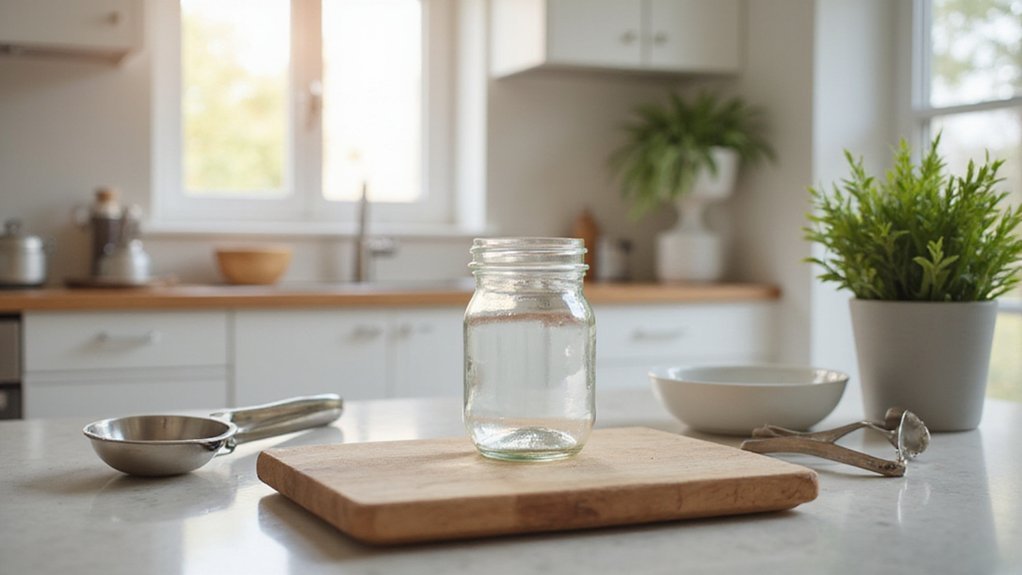
Wondering if canning jars are safe to go in the freezer? The truth is, with the right type and proper preparation, they can be frozen without breaking.
Using wide-mouth, freezer-safe jars and leaving enough space for expansion is key.
Keep reading for straightforward tips to help you freeze your jars safely and effectively.
Are Canning Jars Safe to Freeze Without Damage?
Canning jars can be safely frozen without damage if you follow proper freezing techniques. Use straight-sided, wide-mouth jars specifically designed to handle expansion, as regular-mouth jars with shoulders are more prone to cracking. Make sure the contents are fully cooled before freezing to prevent temperature shock. Leave sufficient headspace—around half an inch for solids and up to one and a half inches for liquids—to allow for expansion during freezing. Keep lids loosely attached or keep them slightly ajar until the contents are frozen, then tighten once solid. Managing expansion with proper headspace and avoiding rapid temperature changes helps prevent breakage and maintains the jar’s seal integrity. Proper freezing techniques are essential to prevent damage and ensure the longevity of your stored items. Additionally, choosing jars made from high-quality glass can further reduce the risk of cracking during the freezing process. Proper sterilization of jars before freezing further enhances safety and preserves the quality of your preserved foods.
Which Types of Canning Jars Are Best for Freezing Food?
Straight-sided, wide-mouth canning jars are the best choice for freezing food. Their shape allows for expansion without cracking and makes access easier. Look for jars labeled or sold as freezer-safe, as these are designed to withstand low temperatures and repeated freeze-thaw cycles. Wide-mouth jars provide more space for expanding contents, reducing the risk of breakage. Use lids that are self-sealing or gasketed and specifically designed for freezer use to ensure a tight, leak-proof seal. Proper labeling is essential to track storage times and avoid confusion. Tempered glass Mason-type jars are also suitable for repeated freezing and thawing, providing extra durability. Avoid jars with shoulders or narrow openings, as these restrict expansion and increase the chance of cracking during temperature changes. Checking with the manufacturer can ensure that your jars are suitable for freezer use and help prevent accidents. Additionally, proper storage techniques are vital to maintain the integrity of your jars over time. Ensuring your jars are made from freezer-safe materials is crucial for long-term durability and safety. Using appropriate storage conditions can further protect your jars from damage caused by temperature fluctuations.
How to Properly Prepare and Temperature-Align Canning Jars for Freezing
To prevent glass breakage during freezing, you need to properly prepare and temperature-align your canning jars with the food inside. Start with clean, room-temperature jars instead of jars taken from the fridge or dishwasher. Ensure the food has cooled to room temperature before filling—this means bringing hot foods like soups or purées down to room temperature in advance. Matching the temperature of the jar to the food reduces thermal shock, which is a common cause of breakage. Fill each jar only up to the recommended headspace to allow for expansion during freezing. After filling, let the jars cool slightly or place them in the refrigerator before moving them to the freezer. This gradual temperature transition—shifting from hot to cold—helps minimize stress on the glass and ensures your jars freeze safely. Proper compatibility notes also play a crucial role in preventing potential damage.
Common Mistakes That Can Lead to Jar Breakage and How to Prevent Them
Choosing the right jar shape is essential to prevent breakage during freezing. Wide-mouth, straight-sided jars are your best choice because they provide extra space for expansion. This extra space helps accommodate the natural expansion of liquids and prevents internal stress. Proper jar selection is crucial because shoulderless jars and regular glass jars are not recommended; their shapes limit how much they can expand safely, making them more prone to breaking. Narrow jars are especially vulnerable, particularly with liquids that expand when frozen. Always look for jars labeled as freezer-safe or that have fill-line markings indicating maximum fill levels. It’s also crucial not to overfill jars—leave at least half an inch to an inch of headspace to allow for expansion. Avoid adding hot or warm food directly into jars, as thermal shock can cause cracks. When sealing, don’t tighten lids fully before freezing; loose lids allow pressure to escape, further reducing the chance of breakage. Proper jar shape and careful lid handling form the foundation of safe freezing practices, and understanding freezer-safe containers can help prevent accidents. Additionally, using temperature-resistant glass can significantly reduce the risk of breakage during the freeze-thaw process.
Tips for Safely Thawing and Using Frozen Canned Foods
To safely thaw frozen canned foods, the best method is refrigerator thawing. Place the jar on a plate to catch any drips and set it on the bottom shelf to prevent contamination of other foods. Expect the thawing process to take several hours or even days, depending on the size of the jar. Cold-water thawing is a faster alternative: submerge the sealed jar in cold tap water, changing the water every 30 minutes to ensure it stays cold. This method typically takes a few hours for smaller jars. Microwave thawing is the quickest option, but it can cause uneven heating, leading to hot spots. Always cook the food immediately after microwave thawing to eliminate any bacterial growth. Never thaw canned foods at room temperature, as this promotes bacteria proliferation. Before thawing, check that the seal or lid is intact—do not use foods with bulging lids or broken seals. Use thawed canned foods promptly and do not store them at warm temperatures for extended periods. Ensuring proper food safety practices can help prevent spoilage and foodborne illness.