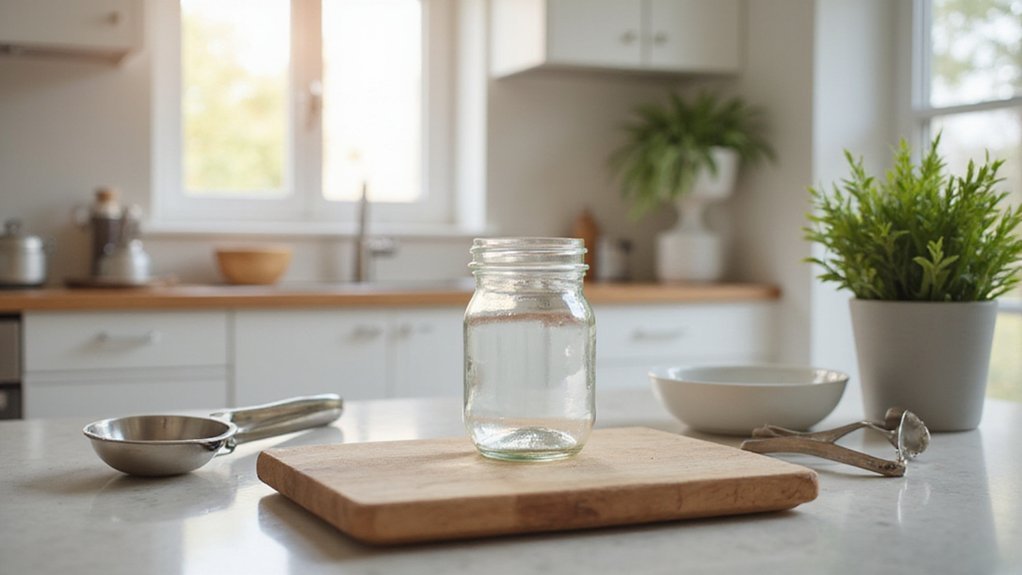
Wondering if canning jars are safe to microwave? The quick answer is that most are not, since they’re made for high-temperature canning rather than quick heating in a microwave.
Heating unevenly can cause them to break or become unsafe, especially if they aren’t labeled as microwave-safe.
Removing metal lids and bands is also essential to prevent sparks.
Keep reading to learn how to identify microwave-safe jars and keep your food safe.
Can You Safely Microwave Canning Jars?
You should not microwave canning jars. Although they are designed to withstand high temperatures for home canning, microwave heating is a different process. Microwaves heat unevenly and do not reliably reach the temperatures necessary to sterilize or safely preserve food. Organizations like USDA and MSU Extension strongly recommend against using a microwave for canning because it cannot ensure bacteria are fully killed. Some jars are labeled microwave-safe for reheating food—usually tempered glass without metal parts—but that does not mean they are suitable for food preservation or sterilization. Metal lids or bands can cause arcing and damage your microwave, so even if the jar itself is heat-resistant, using it for canning or sterilizing is unsafe. Microwaves should be limited to reheating already cooked or jarred food, not for the preservation process itself. Additionally, resealing mylar bags properly is a better method for food storage when preserving items without canning, ensuring an airtight seal. Proper sanitization techniques are essential to ensure food safety and prevent bacterial growth during storage.
What Materials Make Canning Jars Microwave Safe
Tempered glass and borosilicate glass are the primary materials that make canning jars microwave safe. Tempered glass is specially treated to withstand rapid temperature changes without cracking or shattering, thanks to its high thermal-shock resistance. Borosilicate glass also offers excellent resistance to temperature swings, making it another safe choice for microwave use. When selecting a microwave-safe jar, look for clear symbols, labels, or certifications from the manufacturer, as not all glass is suitable for microwave heating. Decorative or vintage jars with chips or cracks are not reliable options, even if they are glass. Additionally, opt for food-grade, lead-free glass to ensure safe contact with food. Choosing jars made from tempered or borosilicate glass helps prevent breakage and guarantees safe microwave heating.
Are Metal Lids and Bands Safe to Use in the Microwave?
Metal lids and bands should never be used in the microwave because they reflect microwave energy and can cause safety hazards. When metal objects are microwaved, they can create sparks or arcing, which may damage your microwave or start a fire. Decorative metal accents like gold or silver trim also reflect energy and can spark, even if they look smooth and harmless. Major appliance manufacturers, including Whirlpool and GE, advise against placing steel, iron, copper, or metal-rimmed containers in the microwave. Some specialty metal products may be labeled as microwave-safe, but unless explicitly tested and marked, metal parts are unsafe to microwave. To avoid accidents, always remove metal lids and bands from cans or jars before microwaving, and choose microwave-safe options such as plastic wrap or paper towels instead.
Is Microwave Canning or Sterilizing Safe for Food Preservation?
Microwave canning or sterilizing is not safe for food preservation. Achieving the proper internal temperature is crucial to kill harmful microorganisms and prevent spoilage. Microwaves heat unevenly, creating cold spots where bacteria and spores can survive. This inconsistent heating means foods may not reach the necessary temperature for safe preservation. Authorities like the USDA and extension services emphasize that microwave sterilization does not reliably produce the uniform heat needed to ensure safety. Using a microwave to process jars or foods can lead to under-processing, increasing the risk of foodborne illnesses and spoilage. Proper methods such as water-bath or pressure canning are tested and proven to reach the required temperatures for safe preservation. Relying on microwave heat for sterilization is unsafe and does not meet established food safety standards. Microwave sterilization has been shown to be unreliable because of these heating inconsistencies.
How to Handle Canning Jars Safely When Microwaving
To handle canning jars safely when microwaving, you should first verify that the jar is made of tempered or heat-resistant glass. Look for microwave-safe labels or markings, such as a wavy-line symbol, to confirm it’s suitable for microwave use. Remove all metal components—including lids, rings, and any decorative metallic elements—as metal can cause arcing and sparks. When heating, use short bursts at medium power settings, roughly 50% to 70%, with intervals of 30 to 60 seconds. Stir the contents between heats to prevent hot spots and excessive stress on the glass, which could lead to cracking. Always inspect the jar beforehand for any cracks or chips because damaged jars are more prone to shattering during microwaving. Glass safety is crucial to preventing accidents and damage, so understanding the properties of microwave-safe glass can help you avoid risks. Using temperature control effectively can help prevent accidents and damage. It’s also helpful to consider material safety by knowing whether the glass can withstand sudden temperature changes without cracking or breaking. After heating, handle the jar with oven mitts or a thick cloth, as it can become very hot. Following these temperature control and handling precautions ensures safety and helps prevent accidents during microwave use.
When Should You Avoid Using Canning Jars in the Microwave?
You should avoid using canning jars in the microwave unless they are specifically labeled for microwave use. If the label doesn’t indicate microwave safety, do not microwave the jar. Canning jar labels usually specify whether the jar can withstand microwave sterilization. Never microwave jars that are damaged, chipped, or cracked, as they are more vulnerable to breaking from thermal shock. Remove metal lids, bands, or decorations because they can cause sparks and arcing, creating a fire hazard. Do not microwave jars straight from the freezer or refrigerator, as the sudden temperature change can cause cracking. When in doubt, stick to boiling or canning methods for sterilizing or heating contents safely. Understanding how material compatibility affects the safety of kitchen containers can help prevent accidents. Additionally, using appropriate materials ensures the jar maintains its integrity under different heating conditions. Knowing the limitations of glass can further help you avoid unexpected breakages during microwave use.
Safer Alternatives for Food Preservation Instead of Microwave Canning
Alternative preservation methods such as freezing, dehydrating, fermenting, and pickling are safe options that do not rely on microwave heating or uncertain jar compatibility. Freezing is particularly effective as it slows microbial growth without risking jar explosions or uneven heating. Dehydrating and fermenting create environments that inhibit bacteria growth, making them safe long-term preservation techniques. Pickling uses acidification, which lowers pH levels and ensures shelf stability. Following established methods and guidelines for each process ensures food safety and maintains product quality, avoiding the uncertainties associated with microwave canning. Additionally, understanding how preservation methods work can help in choosing the safest and most effective approach for your needs. Properly assembling and maintaining preservation tools is also crucial for preventing contamination and ensuring successful results. In particular, selecting the right preservation method depends on understanding the unique benefits and limitations of each process.
How to Identify Microwave-Safe Canning Jars on Product Labels
To identify microwave-safe canning jars on product labels, look for clear markings indicating suitability for microwave use. The most straightforward indicators are phrases like “microwave-safe,” “microwaveable,” or “microwave-compatible” printed on the label, often near the barcode or product description. Check the bottom or sides of the jar, as these areas commonly display symbols or icons. Look for a microwave symbol—usually a square with wavy lines above it—or a simple image of a microwave oven. Manufacturers may also include standard safety labels to confirm microwave safety. Review the manufacturer’s instructions closely, paying attention to any heat limits or specific usage guidelines. Ensure both the jar and lid are labeled as microwave-safe if you plan to reheat contents directly in the container. Avoid jars labeled “not for microwave use” or “microwave unsafe,” which warn against subjecting the glass to microwave heat. Clear labeling and recognized microwave symbols are your best clues for safe microwave use, helping you avoid accidents or damage. Understanding microwave-safe materials can further help prevent mishaps when reheating or storing food.
Quick Tips for Safe Use of Canning Jars in the Microwave
To ensure safe use of canning jars in the microwave, follow these essential guidelines. Remove any metal screw bands, lids, and decorative metal parts before heating, as metal can cause sparks or damage the microwave. Check that the jar is free of cracks or chips, which can shatter during heating. Use tempered or annealed glass jars designed to withstand microwave temperatures. Loosen plastic lids to allow steam to escape and prevent pressure build-up. Heat the jar in short bursts at 50-70% power, pausing to stir contents and let the jar rest between intervals. Never seal jars tightly in the microwave or heat empty jars, as this can lead to breakage. Avoid subjecting jars to sudden temperature changes, and always use oven mitts or pot holders when removing hot jars. Proper steam management and careful handling after heating are key to safely using canning jars in the microwave.