Wondering how you can preserve food or products longer without losing quality? A freeze dryer offers a solution by gently removing water while keeping nutrients, flavors, and colors intact.
It also makes items lighter and easier to store or transport. The full benefits and uses of freeze drying are worth exploring—you’re in the right place to learn more.
How Does Freeze Drying Preserve Nutrients and Bioactive Compounds?
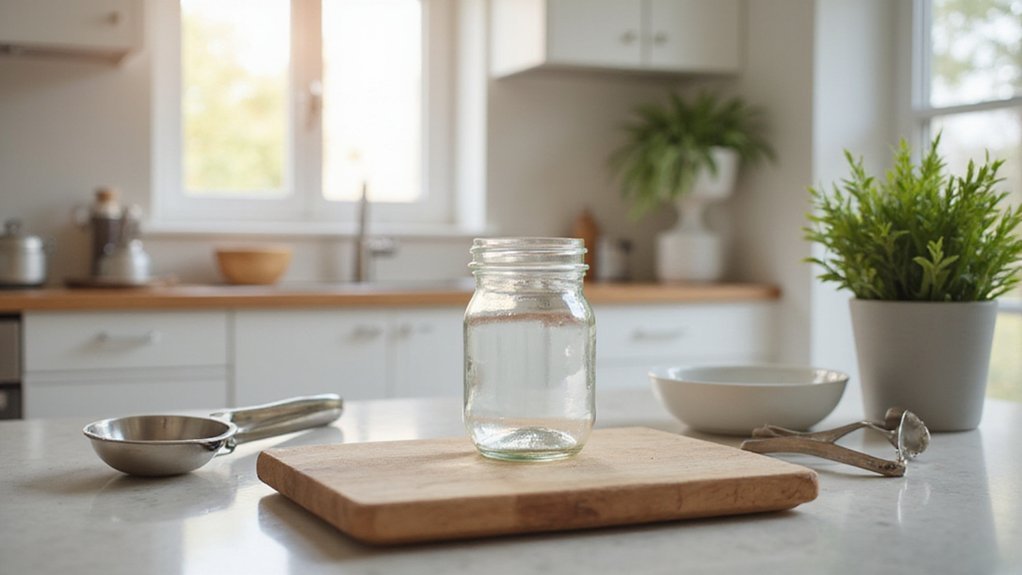
Freeze drying preserves nutrients and bioactive compounds mainly by removing water through sublimation at low temperatures. This process minimizes thermal degradation, helping maintain the stability of sensitive nutrients like vitamin C, polyphenols, and antioxidants. Since the process avoids high heat, delicate compounds that degrade during conventional drying remain intact. Proper sanitization of jars ensures the cleanliness and safety of the dried products, preventing contamination. Faster freezing and shorter drying cycles further enhance the retention of phytochemicals and bioactivity in fruits and vegetables. Freezing water before drying inhibits enzymes, microbes, and chemical reactions that could break down nutrients. Additionally, the vacuum environment limits oxygen exposure, protecting oxidation-sensitive compounds from deterioration. The structural integrity of the food matrix stays preserved, keeping nutrients and bioactives embedded within the tissue. This combination of low-temperature sublimation, rapid freezing, and reduced oxygen exposure ensures freeze-dried foods retain their nutritional value and health-promoting compounds effectively.
Why Does Freeze Drying Keep Food’s Flavor, Color, And Texture?
The sublimation process at low temperatures is essential for preserving food’s original flavor, color, and texture. Because water transitions directly from ice to vapor below freezing, your food avoids the heat-induced breakdown of delicate compounds responsible for aroma and taste. This sublimation process at low temperatures also minimizes the loss of essential nutrients, ensuring maximum health benefits. This cold environment also slows down oxidation and enzymatic reactions that can fade colors and change appearance. As a result, vibrant pigments like chlorophyll and carotenoids stay intact, maintaining the food’s natural hues. Additionally, freeze drying helps retain the food’s nutritional value, ensuring it remains healthy and nutrient-rich. Furthermore, freeze drying preserves cellular structures, which helps keep the food’s shape and texture intact. It prevents shrinkage and toughening that often occur with other drying methods. The removal of water in a solid state leaves behind a porous matrix, making rehydration quick and efficient. This structure helps retain a mouthfeel close to that of fresh food, ensuring the flavor, color, and texture remain naturally appealing. Overall, this gentle process effectively locks in these sensory qualities, making freeze dried food look, smell, and taste as close to fresh as possible.
How Does Freeze Drying Extend Shelf Life And Improve Storage?
Freeze drying extends shelf life primarily by removing most of the moisture from food. Without water, bacteria, mold, and yeasts struggle to grow, significantly slowing spoilage. The process also involves low temperatures that enable sublimation—where ice transitions directly to vapor—hindering enzymatic degradation that would otherwise break down food over time. Operating in a vacuum environment minimizes oxidation reactions, which are a common cause of spoilage and nutrient loss. As a result, foods become stable enough to be stored at room temperature, reducing the need for refrigeration and complex storage conditions. Proper packaging, such as airtight containers, further shields the food from moisture and oxygen, boosting long-term preservation. The preservation of structural integrity during freeze drying also helps maintain the food’s texture and appearance, ensuring quality over extended periods. Overall, these mechanisms combine to significantly prolong shelf life and simplify storage. This process ensures that foods are less vulnerable to the growth of microorganisms, further enhancing their longevity.
What Are The Benefits Of Freeze Drying For Rehydration And Weight Reduction?
Freeze drying creates a highly porous structure that enables rapid water reabsorption during rehydration. This makes the process faster and more efficient, allowing you to restore foods and products to nearly their original state quickly. Because of this porosity, rehydration maintains the original shape, texture, and appearance with minimal shrinkage, making it ideal for applications where presentation matters. Additionally, freeze-dried items are lightweight and compact, which supports packaging innovation. This reduced weight simplifies handling, storage, and transportation, leading to lower shipping costs and less storage space needed. Most importantly, freeze drying preserves key nutrients and flavor better than traditional drying methods. This retention ensures that rehydrated products maintain their nutritional value and taste, which is especially valuable in emergency rations, medical supplies, and food storage where quick recovery and weight reduction are critical. Furthermore, understanding the structure of freeze-dried items can help optimize rehydration techniques for various applications. The highly porous nature of these items also contributes to their easy rehydration and long shelf life, making them highly suitable for diverse industries. Recognizing the difference between freeze drying and dehydration can help users select the most appropriate method for their specific needs.
What Foods And Medical Products Benefit Most From Freeze Drying?
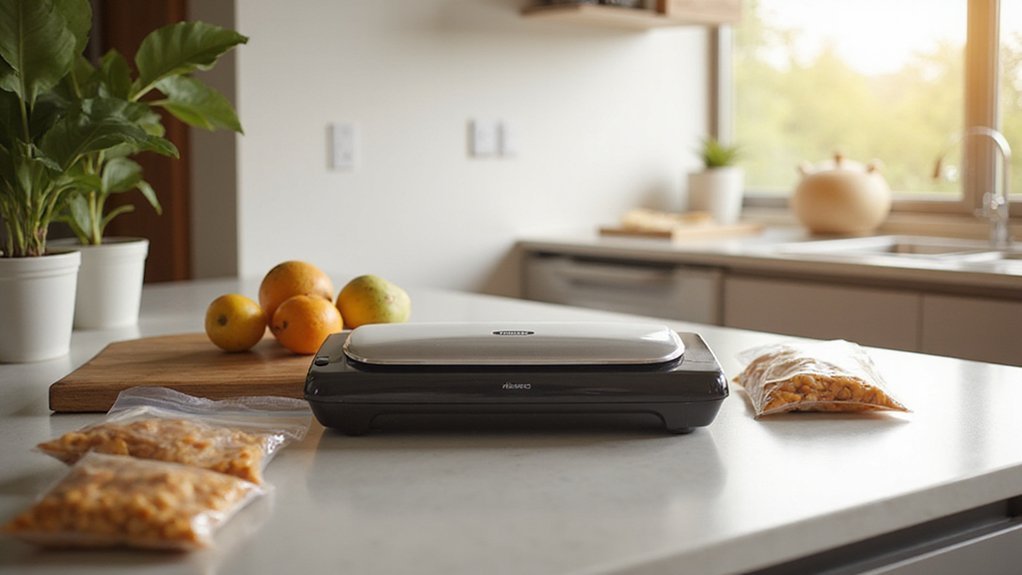
Freeze drying benefits many foods and medical products with high water content and sensitive nutrients. Fruits such as strawberries, blueberries, and mangoes are excellent candidates because the process preserves their vibrant color, flavor, and nutritional value. These dried fruits are perfect for snack packages or as ingredients in cereals and baked goods. Freeze drying also preserves the antioxidants and phytochemicals found in many fruits, enhancing their health benefits. Vegetables like spinach, carrots, and tomatoes also benefit significantly. Freeze drying helps retain their vitamins, minerals, and fresh taste during storage, making them convenient for long-term use without losing essential nutrients. Proper packaging and sealing are crucial for preventing lid corrosion and ensuring the integrity of the dried goods. Complete meals such as chili, pasta, or rice dishes become lightweight, shelf-stable, and easy to rehydrate, making them ideal for emergency supplies or outdoor adventures. Protein-rich foods like cooked eggs, meats, and seafood also see advantages from freeze drying. The process preserves their protein structures, maintaining their flavor and nutritional integrity over extended periods. Properly packaged, these items stay safe, nutritious, and visually appealing, even after long storage times.