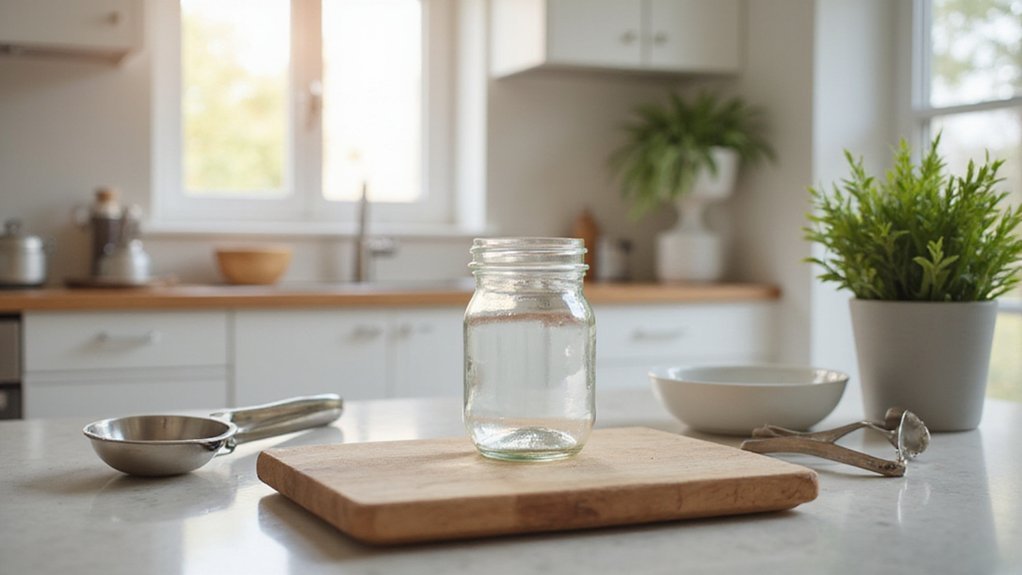
Wondering if your canning jars can go in the freezer? The answer depends on the type and design of the jar.
Some jars, like those made from tempered or borosilicate glass with straight sides, are safe for freezing, while others may crack or break.
Keep reading to learn how to choose the right jars and prevent accidents.
Can Canning Jars Go in the Freezer? The Real Answer
Canning jars can go in the freezer, but not every jar is suitable. The key concerns are jar design and temperature fluctuations. When food freezes, it expands, which puts stress on the glass. Wide-mouth, straight-sided jars are better at handling this expansion because their shape allows for more room and reduces the risk of breakage. Avoid jars with shouldered sides, as their narrower necks increase pressure on the glass during freezing. Proper headspace is essential—about ½ inch for pints and 1 inch for quarts—to allow enough room for the food to expand without cracking the jar. Additionally, ensure the jar isn’t hot when placing it in the freezer; sudden temperature changes can cause thermal shock, leading to shattering. Let hot foods cool completely before freezing, and always avoid rapid temperature shifts to protect your jars and prevent breakage. Choosing the right jar type is crucial, as some materials and shapes are more resilient to the stresses of freezing than others. For added protection, consider using freezer-safe canning jars, which are specifically designed to withstand lower temperatures and the stresses associated with freezing.
Which Canning Jars Are Safe for Freezing? Key Features to Look For
The best canning jars for freezing are those with straight sides and a durable construction. Look for jars with wide-mouth openings because they are easiest to fill, empty, and clean after freezing. Straight-sided jars reduce the risk of breakage during the expansion of frozen contents, as they allow the food to push upward without stressing narrow necks or shoulders. Tapered or shoulder designs can create stress points when the contents expand, increasing the chance of cracking or shattering. Choose jars made from tempered glass or borosilicate glass since these materials tolerate cold stress better than regular glass. Labels indicating “freezer safe” or embedded fill lines are also helpful. Additionally, material considerations can influence the jar’s resilience to freezing temperatures and impact durability. Finally, ensure the jars have airtight lids with flexible liners; these provide a secure seal, prevent leaks, and accommodate slight expansion in the freezer. Sanitizing canning jars is also an important step to maintain safety and prolong the jars’ usability in the freezer. Additionally, understanding the materials used in making the jars can help ensure you select options that are less prone to breakage under freezing conditions.
How to Fill and Leave Headspace in Freezer-Ready Canning Jars
To ensure your frozen canning jars remain intact and retain quality, it’s crucial to fill them with the correct headspace. For most foods packed in the freezer, leave about 1/2 inch of space between the food surface and the rim of the jar. Measure this specifically from the top of the food to the jar’s rim. Using jar labels to mark fill levels can help keep your freezer organized and prevent overfilling. For liquids such as broth or juice, a larger headspace of about 1 inch is recommended, especially in quart jars, to accommodate expansion during freezing. When packing fruits and vegetables without added liquids, 1/2 inch of headspace usually suffices. Always pour cooled food—that is, around 160°F—into the jars to minimize thermal shock and reduce cracking risk. To avoid overfilling and to maintain consistent fill levels, use a funnel. It’s better to leave more space than perceived necessary, particularly if you’re unsure about how much the contents will expand, ensuring safe and durable storage. Additionally, understanding freezer-safe packaging can help prevent breakage and spoilage during storage. Incorporating proper material choices for freezing can also support the longevity of your jars. Keep in mind that choosing the appropriate material for freezing also plays a significant role in maintaining jar integrity.
Best Practices for Handling, Lidding, and Storing Canning Jars in the Freezer
Handle your freezing canning jars carefully by starting with sterilized jars that are free of cracks or hairline fractures. This ensures they can withstand the expansion that occurs during freezing. Use straight-sided, wide-mouth jars, which are specifically designed for freezing; avoid shouldered jars, as they are more prone to breakage when the contents expand. When lidding, opt for one-piece plastic lids that are compatible with your jars. During freezing, leave the lids slightly loose or ajar to accommodate the expansion of the contents, tightening them only once the jars are fully frozen. Incorporating foam or silicone liners between jars and other surfaces helps prevent glass breakage from impacts. When storing, place the jars upright in shatter-proof containers with enough space for air circulation, and always label each jar with the contents and date. By handling jars gently, securing lids properly, and storing them strategically, you keep your food safe and preserve its quality during freezing.
Common Mistakes That Can Crack Jars or Lead to Food Spoilage
Choosing the wrong jar type for freezing can lead to cracks and food spoilage. Jars with rounded shoulders or narrow necks prevent proper expansion when freezing, placing stress on the glass and increasing the risk of cracks. Regular non-tempered glass jars are especially vulnerable because they are not designed to withstand the low temperatures of the freezer and can shatter easily. Using jars without freezer safety labels adds to the risk, as they might not be built to endure freezing conditions. Overfilling jars without leaving the recommended headspace, typically at least 1 inch for liquids, restricts expansion and can cause cracks. Ignoring these guidelines shortens shelf life, increases the chance of food spoilage, and results in unnecessary waste. To prevent these issues, always select freezer-safe jars with tapered sides and ensure proper headspace for your stored food’s stability.
How to Safely Thaw and Use Frozen Canning Jars
The safest method to thaw frozen canned jars is refrigerator thawing. Place the jar in the fridge and allow it to gradually reach a temperature of 40°F or below. This slow process minimizes stress on the jar’s integrity and reduces the risk of liquid loss or contamination. If you need to thaw more quickly, cold-water thawing is an option. Keep the jar sealed and completely submerged in cool water, changing the water regularly to maintain a consistent temperature. Always inspect the jar after thawing for cracks, bulges, or seal failures. If you notice any damage or if the seal is broken, discard the contents to ensure safety. Proper thawing techniques and thorough inspection help keep your preserved foods safe, nutritious, and ready for use.
Are Commercial Freezer-Safe Jars Different? What Matters Most
Yes, commercial freezer-safe jars are different from standard canning jars primarily in their shape and glass quality. Freezer-safe jars usually have straight sides and a wide-mouth design. The straight sides help reduce stress caused by expanding contents during freezing, decreasing the risk of breakage. Wide-mouth openings also make filling and removing contents easier, which is especially useful in freezing applications.
In contrast, many standard canning jars have shouldered, curved shapes that trap air and make expansion more problematic. These jars are less suited for freezing because the curved shape can create places where stress concentrates. Additionally, the glass used in freezer-safe jars is typically tempered or heavy-duty, designed specifically to withstand the thermal stress of freezing and thawing. Regular jars often use thinner or less resilient glass that may crack or shatter under these conditions.
Always check labels and manufacturer instructions. Only jars explicitly marked as freezer-safe are suitable for freezing. Glass quality plays a crucial role in resisting thermal stress, making it vital to choose the right type of jar. Properly selected jars help your contents expand safely, ensuring your jars last longer in the freezer while minimizing the risk of accidents.