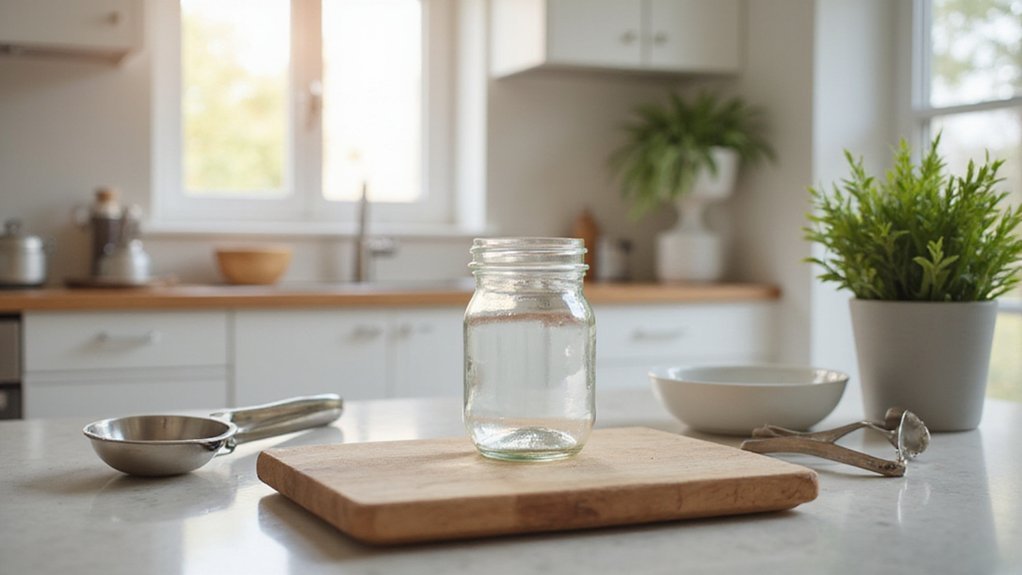
Choosing the right canning jar can feel overwhelming with so many styles and options available.
Whether you need a jar for preserving food or just for storage, understanding the different types can help ensure your preserves stay fresh and safe.
Keep reading to learn which jars suit your needs best and how to select the perfect one.
What Are Canning Jars and How Do They Keep Food Safe?
Canning jars are specially designed glass containers that help you safely preserve food by using heat and airtight sealing. During heat processing, you fill the jars with food, then heat them to destroy harmful microorganisms and deactivate enzymes that cause spoilage. As the jars cool, they create a partial vacuum, which promotes a secure seal and prevents bacteria, yeasts, or molds from entering. To ensure safety, always use jars in perfect condition, fill hot food to help remove air, wipe rims clean before sealing, and let jars cool undisturbed without moving them. Understanding vacuum sealing techniques is crucial for long-term food preservation success. Proper sanitization is essential to ensure the jars are free of contaminants that could compromise food safety. A proper seal is indicated by a lid that is concave and does not flex when pressed, confirming its effectiveness. This airtight seal blocks recontamination and allows food to be safely stored for one to five years.
What Types of Canning Jars Are Best for Home Preservation?
Mason-type glass jars are the best choice for home preservation because they are specifically designed to withstand the high heat and pressure of the canning process. Both regular-mouth and wide-mouth Mason jars work equally well and are easy to fill and empty, making them versatile options. Opt for trusted brands like Ball and Kerr, known for their quality and consistent sealing performance. Jars with two-piece lids are essential, as they form an airtight seal during cooling, keeping your preserved food safe. Avoid using mayonnaise or commercial jars, as they are not designed to withstand processing and may not seal properly. Choose durable, chip-free glass in appropriate sizes, such as pint or quart, to ensure safety and efficiency in your home canning projects. Additionally, selecting jars made of heat-resistant glass helps prevent breakage and ensures durability throughout multiple canning seasons. Proper jar sterilization practices are crucial, as thoroughly sterilizing your jars reduces the risk of contamination and spoilage. Ensuring your jars meet quality standards is vital for the safety and success of your canning endeavors.
How Do You Choose the Right Jar Size and Mouth Type for Your Preserves?
Choosing the right jar size and mouth type depends on the quantity of food you are preserving and how you intend to use the final product. For small batches or gifts, 4-ounce or 8-ounce jars are ideal because they allow you to package smaller portions efficiently. Larger batches, such as those for family storage or commercial sale, are better suited to pint or quart jars, which provide more space per jar.
Matching the jar size to your food’s texture and your storage needs ensures safety and convenience. Smaller jars are perfect for quick consumption or sampling, while larger jars facilitate bulk storage and reduce the number of jars needed. Additionally, understanding the various jar sizes available can help you choose the most suitable option for your specific canning projects. Knowing the standard jar sizes also helps ensure compatibility with your lids and canning equipment.
When it comes to mouth type, regular-mouth jars are best for pourable items like sauces or thin jams, as they prevent spillage and make pouring straightforward. Wide-mouth jars are preferable for chunky or whole foods, making filling and emptying easier without the need for special tools. Properly matching the mouth type to your food’s consistency can reduce mess and improve the preservation process. Selecting the appropriate size and mouth type ensures your preserves are stored correctly and are easy to access when needed.
Which Materials and Constructions Make Canning Jars Safe and Durable?
The materials and construction of your canning jars are crucial for ensuring safety and durability. Use jars made from tempered, food-grade glass, which can tolerate rapid temperature changes such as heating, cooling, and boiling water without cracking or deforming. Plain, undecorated glass is preferable because it is chemically stable and free from lead in paint or glaze, reducing potential contamination. Inspect the rim of each jar carefully; it must be smooth, level, and free of nicks, cracks, or burrs. Damaged rims can compromise the seal, increasing the risk of spoilage. Always verify that the sealing surface remains clean and intact before use.
Proper lid and band construction is equally important. Lids should be made from food-grade materials and fit tightly, with bands secured correctly but not overly tight. Properly tightened lids and bands create an airtight seal, essential for preserving the contents safely during processing. Regularly check each jar for material integrity, paying close attention to signs of damage or wear. Careful consideration of materials and construction helps keep your preserves safe and ensures your jars can withstand multiple uses without failure.
What Are Specialty Canning Jars and When Should You Use Them?
Specialty canning jars are designed mainly for decorative, storage, or niche uses rather than for traditional home-canning. They often showcase decorative patterns, unique shapes like hexagonal or shoulderless styles, and come with swing-top lids. Many of these jars don’t have the standard two-piece lid system necessary for reliable sealing during heat processing. Because of this, they are generally unsuitable for boiling-water or pressure canning, unless explicitly rated for such use by the manufacturer. Understanding their limitations is crucial to ensure food safety. Additionally, properly rated specialty jars can sometimes be used for preservation if specified by the manufacturer. It’s important to recognize that canning jar specifications, such as lid type and material, are key factors in determining their suitability for preservation. Instead, you should use specialty jars for pantry organization, countertop displays, or storing dry goods, which often aligns with their intended purpose. Some are ideal for cold beverages or refrigerator pickles if they are designed for those purposes. These jars excel for presentation, storage, or serving but are not recommended for shelf-stable preservation unless the manufacturer confirms they are safe for thermal processing.
How Should You Reuse, Clean, and Maintain Canning Jars?
To effectively reuse, clean, and maintain canning jars, start by inspecting each jar for chips, cracks, or rim damage; any defects mean it’s time to retire the jar. To remove labels, soak the jars in hot, soapy water for at least 10 minutes, then use a soft sponge or plastic scraper to lift stubborn adhesive without scratching the glass. Always wash jars thoroughly with hot water and a mild detergent, avoiding abrasive scrubbers that could damage the glass or sealing surface. Rinse well to ensure no soap residue remains.
For sterilization, submerge the clean jars in boiling water for at least 10 minutes, keeping them hot until ready to fill. This step kills bacteria and spores, ensuring safety for canning. After sealing, remove metal bands to prevent moisture buildup underneath, which can cause rust or mold. Store jars upright in a cool, dry place away from direct sunlight to protect rims and prolong usability. Regularly check stored jars for any signs of deterioration or leakage to maintain their safety for future use. Proper sealing can help prevent spoilage and ensure food safety during storage.
FAQs About Canning Jars: Safety, Usage, and Best Practices
Only purpose-made home canning jars, such as mason-style jars, are safe for reuse, provided they are free of cracks or chips. Always inspect jars carefully before each use. Use jars that match the size recommended by your tested recipe, as incorrect sizing can impact the processing time and safety. When decorating jars, keep labels clear and include dates to easily track their contents. Always use new self-sealing lids; reusing old lids can compromise the seal and safety. Avoid overtightening the bands to prevent breaking the jars or creating a false seal. During filling, ensure food is hot, and leave the proper headspace indicated in your recipe. Following tested methods for processing times and techniques enhances safety. Proper storage, regular inspection, and clear labeling help prevent spoilage and ensure your home-canned goods remain safe and delicious. Incorporating proper sealing techniques can further improve the longevity and safety of your canned foods.